

















Your roof took a hit last night. Now what?
A fort worth storm damaged roof is one of the most stressful things a homeowner can deal with. The damage happens fast, but the decisions you make in the first 48 hours can determine how much it costs you, and whether your insurance covers it.
This guide walks you through exactly what to do, step by step. No confusing contractor talk. Just clear, simple steps to protect your home and your wallet.
What Counts as Storm Damage on a Roof?
Not every storm leaves obvious damage. Some of the worst roof problems are invisible from the ground.
In the Fort Worth area, the most common types of storm damage come from hail, high winds, and heavy rain. Each one affects your roof differently.
Hail damage
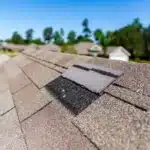
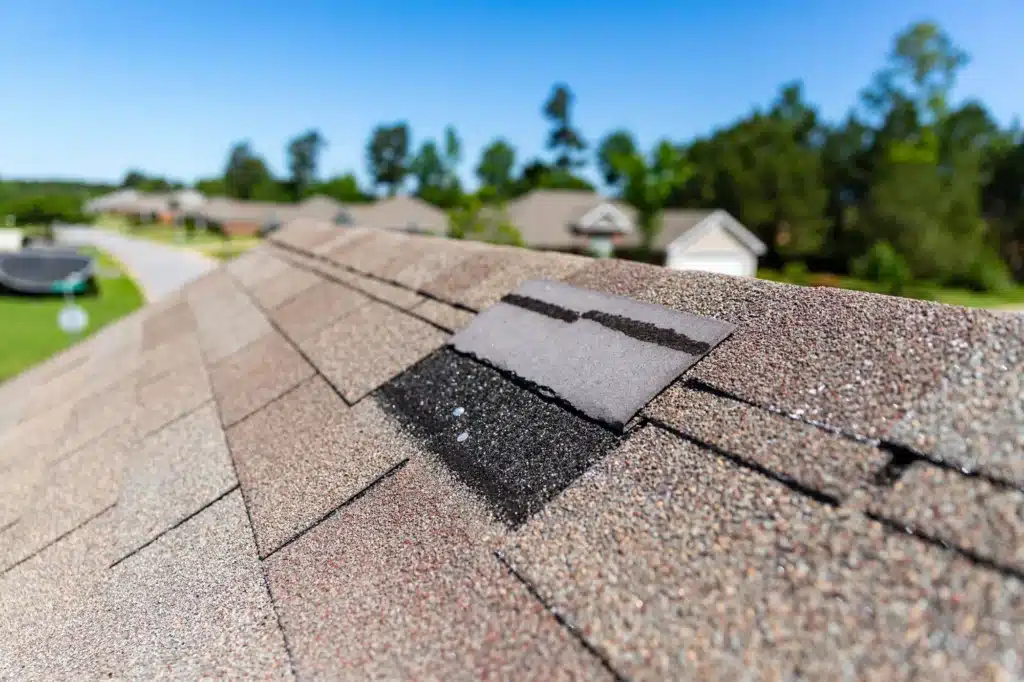
Hail leaves small circular dents on shingles. It knocks off the granules, which are the tiny rough particles that protect the shingle underneath. Without those granules, your shingles age much faster and start to let water in.
You might also see dents on your gutters, metal vents, or flashing. Those are a good sign that your shingles took a hit too.
Wind damage
Strong winds can lift shingles at the edges and corners. Sometimes they tear them off completely. Other times they just loosen the seal, which lets water sneak underneath during the next rain.
If you see shingles on the ground after a storm, that is a clear sign something needs attention.
Water and rain damage
Heavy rain does not always damage shingles directly. But if your roof already had weak spots, a big storm can push water through those areas. The result shows up as water stains on your ceiling or walls inside the house.
Step 1: Stay Safe and Do a Quick Visual Check
Before you do anything else, stay off the roof. A wet, storm-damaged roof is dangerous to walk on, even for experienced contractors.
Instead, do a safe ground-level check. Walk around your home and look for:
- Missing or lifted shingles
- Shingle pieces or granules on the ground
- Dents or damage on gutters and downspouts
- Damaged or bent metal flashing around chimneys and vents
- Tree branches or debris resting on the roof
Then go inside and check your attic if you can access it safely. Look for daylight coming through the roof boards, or any wet spots on the wood.
Step 2: Document Everything Before You Touch It
This step is critical if you plan to file an insurance claim, and in most cases after a major storm, you should.
Take photos and videos of every area you can see. Do this before any cleanup or temporary repairs. Your insurance company will need proof of what the damage looked like right after the storm.
Document:
- The exterior of the roof from multiple angles
- Any interior water damage (ceiling stains, wet insulation in the attic)
- Damaged gutters, vents, and siding
- Debris that landed on or near the roof
Save these files with the date and time stamped. Most smartphone cameras do this automatically.
Step 3: Protect Your Home with a Temporary Tarp
If your roof has missing shingles or visible holes, you want to cover those areas before the next rain comes. In North Texas, another storm can roll in within days.
A roofing contractor can install a temporary tarp over the damaged areas quickly. This is not a permanent fix. It is just a way to keep more water out while you wait for the full repair or replacement.
Do not try to tarp your own roof. The risk of injury is real, and an improperly placed tarp can cause more damage than it prevents.
Step 4: Call a Trusted Local Roofer for an Inspection
This is where most Fort Worth homeowners make a mistake. After a big storm, out-of-town contractors flood the area offering quick deals. These storm chasers often do low-quality work, take payment upfront, and disappear before any problems show up.
Always work with a licensed, local roofing company that has a real presence in the Fort Worth area.
A proper inspection will identify all the damage, including the parts you cannot see from the ground. The contractor should give you a written report with photos that you can use for your insurance claim.
At Trustmark Exteriors, we have been serving Fort Worth property owners since 2009. Our storm restoration team specializes in exactly this kind of work. We know what insurance adjusters look for, and we help you document everything correctly from the start.
Step 5: File Your Insurance Claim the Right Way
Most standard homeowners insurance policies in Texas cover storm damage from hail and wind. But filing the claim correctly matters a lot.
Here is how the process generally works:
- Call your insurance company and report the damage as soon as possible. There are deadlines for storm claims in Texas.
- The insurance company sends an adjuster to inspect your roof.
- The adjuster writes a report estimating the cost of repairs or replacement.
- Your contractor reviews the report and either agrees with the estimate or supplements it if anything was missed.
- Once approved, work begins.
Having a roofing contractor present during the adjuster visit can make a real difference. They know what to look for and can make sure the adjuster does not miss anything.
Our team handles the insurance process with homeowners regularly. We walk you through every step so nothing falls through the cracks.
What Happens If You Wait Too Long?
A damaged roof is not just an inconvenience. It is an open door for water, mold, and structural damage.
Here is what can happen when a storm damaged roof in Fort Worth goes unaddressed:
- Water enters through damaged areas and soaks into the wood decking beneath the shingles
- Wet wood starts to rot, which weakens the entire roof structure
- Moisture creates the perfect conditions for mold to grow in your attic and walls
- Water stains spread across ceilings and walls inside the house
- Insurance companies may deny your claim if they determine the damage was caused by neglect rather than the storm
The longer you wait, the more expensive the fix becomes. What starts as a roof repair can turn into a full roof replacement if the underlying structure is compromised.
When Is a Full Roof Replacement Necessary?
Not every storm requires a full replacement. Sometimes a repair is enough. But in other cases, a replacement is the smarter and more cost-effective choice.
Your contractor should give you an honest assessment. Here are some signs that a replacement may be needed:
- The roof is more than 15 to 20 years old
- Damage covers more than 30 percent of the roof surface
- The shingles have lost most of their granules
- There are multiple layers of old shingles already
- The roof deck (the wood underneath) shows signs of rot or soft spots
We handle everything from targeted roof repairs to full roof installations. We give you a straight answer about which one you actually need.
Real Fort Worth Homes We Have Restored
If you want to see the kind of work we do, take a look at our completed projects.
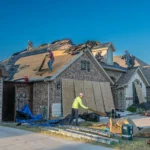
The Rahill/Hertel residence in Fort Worth is a good example. It involved a steep pitch roof with a full exterior restoration using Class 3 shingles. The Morris project is another one worth seeing. It involved upgrading to a premium metal roof with full insurance coverage approval.
These are not staged photos. They are real homes, real damage, and real results.
Do Not Forget Your Gutters
After a bad storm, most homeowners focus on the roof and forget about the gutters. That is a mistake.
Gutters take a beating during hail storms. Dented or damaged gutters cannot move water away from your home properly. That leads to water pooling around your foundation, which causes a whole different set of expensive problems.
While we are assessing your roof, we can also inspect your gutter system. Our gutter solutions include seamless designs and Leaf Blaster Pro screens that handle even heavy Texas rain.
Storm Season in Fort Worth: What to Expect
North Texas is no stranger to severe weather. Fort Worth sits right in the middle of a region that sees some of the most active hail and storm activity in the entire country.
Peak storm season typically runs from March through June, but strong storms can happen any time of year here. That is why we offer 24/7 emergency service. When a storm hits at 2 in the morning and your ceiling is leaking, you need someone to answer the phone.
The best time to think about your roof is before a storm hits. If your roof is aging or has had previous repairs, a proactive inspection can catch weak spots before they become emergency situations.
Frequently Asked Questions
How do I know if my roof is storm damaged?
Look for missing or curled shingles, granules in your gutters, dents on metal vents or flashing, and water stains on your ceiling. After a severe storm in Fort Worth, it is always a good idea to have a licensed roofer inspect your roof, even if everything looks fine from the ground.
Does homeowners insurance cover storm roof damage in Texas?
Most standard homeowners insurance policies in Texas cover storm damage caused by hail and wind. You will need to file a claim and have an adjuster inspect the damage. A roofing contractor experienced in storm restoration can help you document the damage correctly and work with your insurance company.
How soon should I get my storm damaged roof inspected in Fort Worth?
As soon as possible. Texas storms can leave your home exposed to rain, mold, and structural issues within days. Most insurance policies also have deadlines for filing storm damage claims, so acting quickly protects both your home and your claim.
What is a roof tarp and should I use one after a storm?
A roof tarp is a temporary waterproof cover placed over damaged areas to prevent water from getting inside. If your roof has visible holes, missing shingles, or exposed decking after a storm, a tarp can protect your home until permanent repairs are made. This is a short-term fix, not a replacement for professional storm restoration.
How long does storm roof restoration take?
It depends on the size of your roof and the extent of the damage. A full roof replacement typically takes one to three days once materials are on-site. The insurance approval process can take a few weeks, but a good contractor will keep you updated throughout.
Your Next Step After the Storm
A fort worth storm damaged roof is not something you want to put off. Every day you wait is another day water can find its way in.
If your home took damage in a recent storm, call Trustmark Exteriors at (817) 803-0573. We will schedule a free inspection, walk you through what we find, and help you understand your options before you make any decisions.
No pressure. No confusing contractor language. Just honest answers from a team that has been in Fort Worth since 2009.